Classic Car Inspection Checklist: Ten Spots That Hide Rot
Pretty paint hides a lot of sins. These ten spots reveal rot that doesn't show up at the end of the driveway. Arm yourself with a flashlight and a small screwdriver.
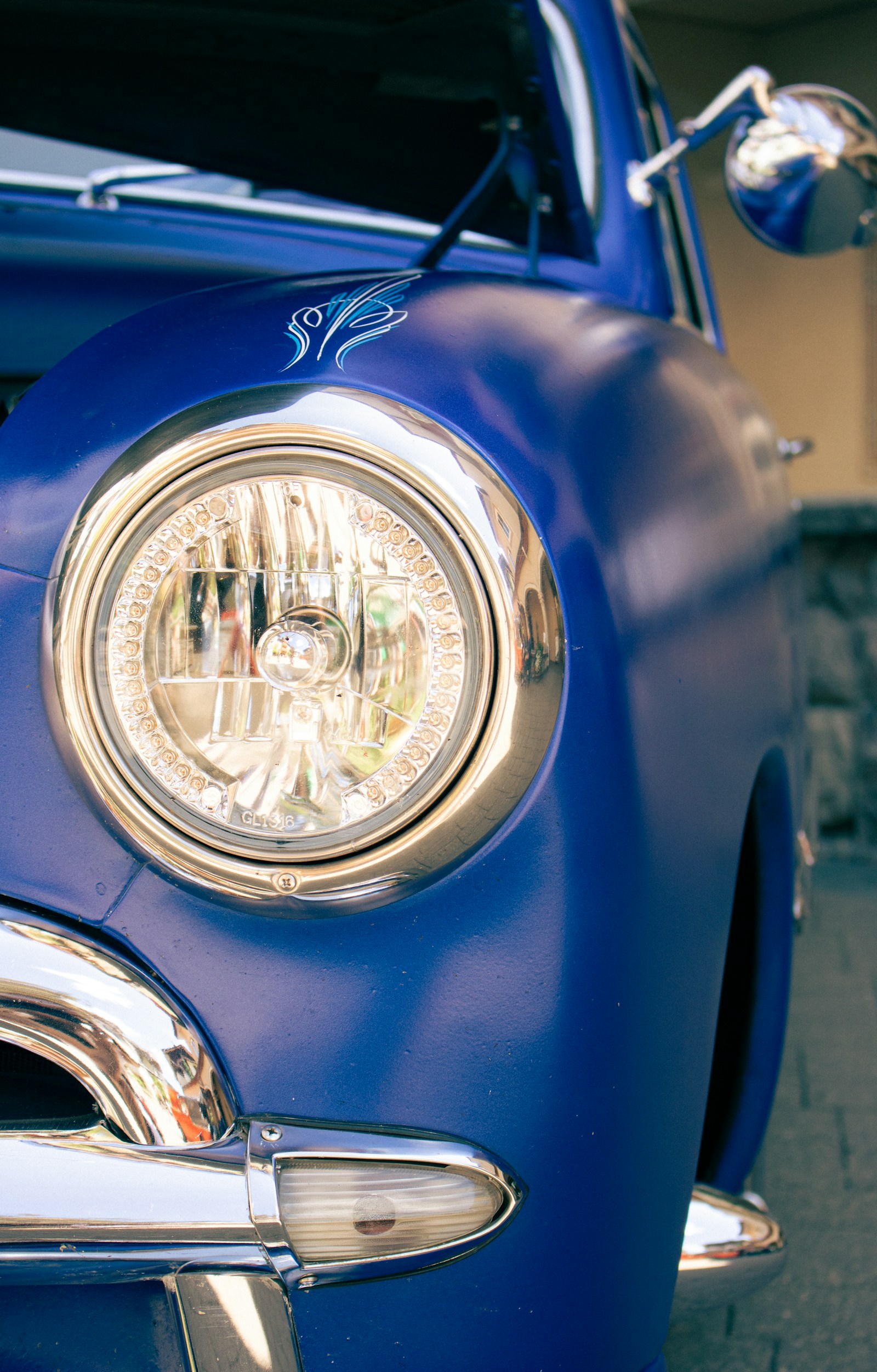
Every ad reads "solid floor pan." Every seller believes it. Then the car goes on a lift and the story changes. Rust hides in places the detailer doesn't reach, and a $100 inspection now beats a $6,000 patch job in six months. Here are the spots that tell the truth.
The Ten Spots
1. **Sills and rocker panels.** Rocker rot is the classic. Poke the pinch weld seam from underneath; if it crumbles, every rocker-related quote just tripled.
2. **A-pillars and windshield base.** Water sits where the windshield meets the cowl. Look for bubbling paint and rust trails down the interior pillar.
3. **Cowl drain area.** The leaf trap. Open the hood and check the tray; blocked drains mean the rot is finding its way into the firewall.
4. **Trunk floor and spare tire well.** The trunk rubs against time. Dry-looking carpets hide water-stained floors. Press on the seams.
5. **Rear frame rails and kickup areas.** Especially on unibody muscle cars of the 60s and 70s — the back half absorbs heat and salt.
6. **Frame rails and subframe mounts.** On body-on-frame cars, check where the frame wraps over the rear axle and where the front crossmember bolts.
7. **Mounting points for shock towers and spring pockets.** Look for flaking metal and scale inside the wheel wells, not just on the painted surface.
8. **Quarter panel lower lips and wheel arches.** The classic Mustang and Camaro rot zone. Check both depth of rust and how far it reaches into the inner panel.
9. **Firewall, floor pan from underneath, and transmission tunnel.** The tunnel looks safe until it doesn't. Scrape the undercoat with a screwdriver; if it comes off like cheese, you have a problem.
10. **Hood edge seams, door bottoms, and trunk drains.** The edges you open every day give you early warning before the big panels rot.
How to Check Without Causing Damage
Use a flashlight at a low angle and a wooden or plastic tool to verify softness — a screwdriver, gently. Rusty undercoating peels off as orange-brown dust with rusty flakes inside. "Surface rust" stays surface. "Soft metal" is the phrase you're paying to find.
What to Do With the Findings
Whatever your budget, take the average of the three worst quotes and double it. Then negotiate. Every honest classic car buyer is effectively in the used-metals business, and knowing exactly where the rot is — before the seller does — is the most profitable sentence in this hobby.
Keep reading
Budget Classic Cars Under $15,000 That Are Still Fun
You don't need six figures to own something with character. These are the sub-$15k classics that are actually reliable enough and cheap enough to drive, plus the ones people keep overpaying for.
Numbers Matching: What It Means and How Much It Adds
\"Numbers matching\" gets thrown around like it's a synonym for money. It isn't always. Here's what the term actually means and when it deserves a premium.
Triumph TR6 vs MGB: Which British Roadster Is Less of a Headache
Both leak, both rust, both make you say 'I knew this would happen.' But they leak in different places, and the difference matters in your wallet.