1967-1969 Camaro: What to Inspect Before You Buy
First-gen Camaros turn fifty-something sellers into real estate agents real fast. Here's the inspection list that keeps you from paying 1969 prices for a 1975 rebuild.
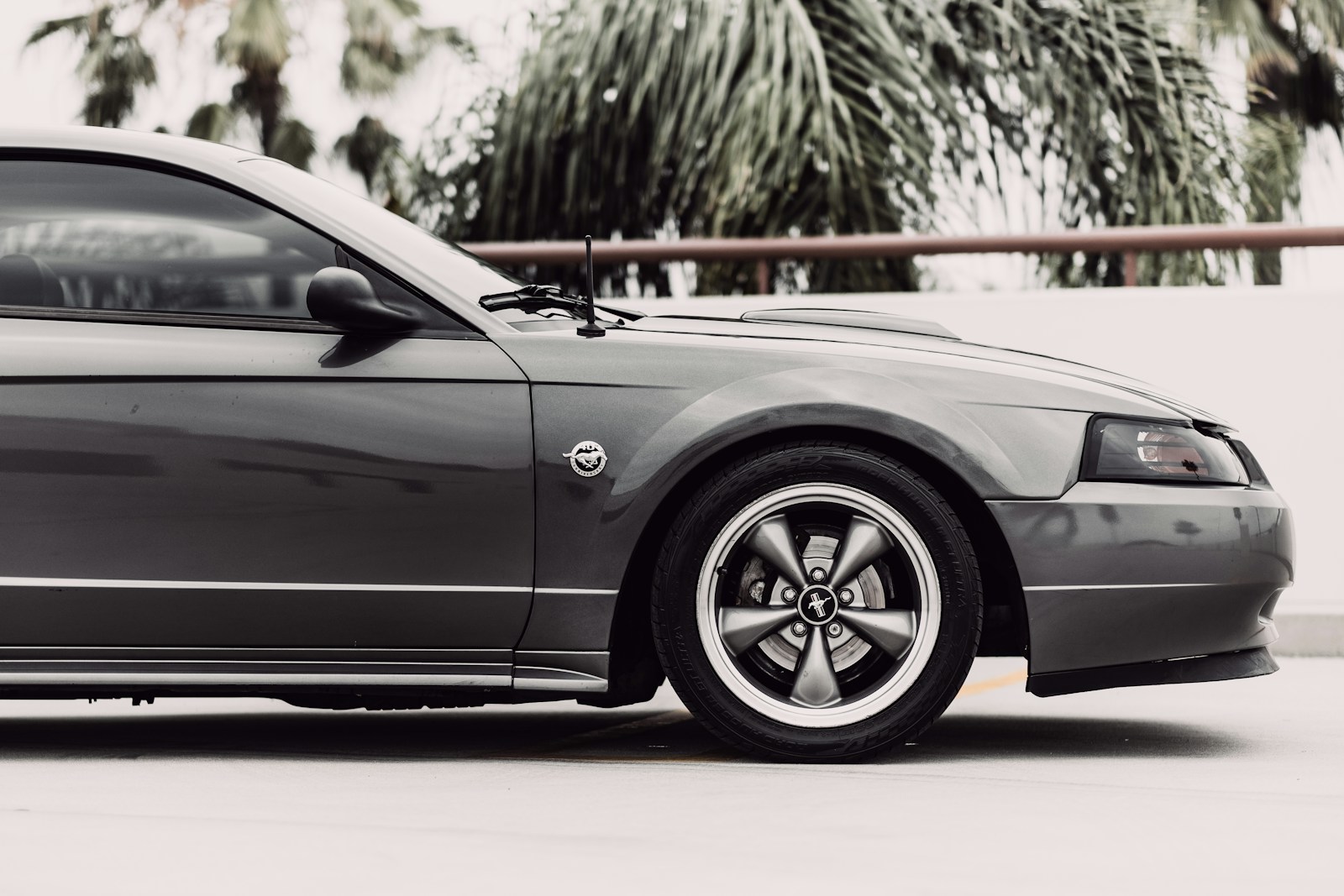
Every first-gen Camaro for sale is "numbers matching" until you crawl underneath it with a flashlight. I can't tell you how many clean-looking 67s turned out to have more filler than a deli counter. Before you hand over money, here's what actually separates a driver from a parts car.
The Cowl Areas Where First-Gen Camaros Rot First
The #1 killer is the cowl, that drain tray under the windshield. Leaves pack in there, water sits, and before you know it you're patching from the inside out. Bring a screwdriver and poke. Sad, but effective.
Then check the rear frame rails where they kick up over the diff. First-gens like to rot right there, and it's the worst place to find it because it looks fine from the trunk — until the back end sags.
The Tin That Says "Walk Away"
- **Rear quarter panels.** Repro panels exist, so a bad quarter is fixable. But a bad quarter usually hides a bad inner wheel well and a bad trunk floor. Triple the quoted price.
- **Kickup panels.** Small rear section, huge rust risk. If the seller's "solid body" has a rusted kickup, it's hard to trust anything else.
- **Front subframe.** Check the frame where the lower control arms bolt in and the spring pockets. Surface scale is one thing; actual rot is a deal breaker.
The Drivetrain Reality Check
A 302/327/Muncie car gets the money. A base six-cylinder with an automatic under three inches of undercoating gets a fraction of it. That's not a bad deal if the price says six-cylinder. It's a terrible deal if the seller wants big-block money.
Check the VIN against the trim tag, and check both against the story. Reproduction VIN tags exist and people do stupid things with them. Rust is more common than fraud, but both show up at the same shows.
What a Good One Costs
Driver condition 67-68 Camaros trade in the mid thirty-thousands. Sharp cars with documentation push past fifty. Rust-bucket "projects" still command $15k because people get hypnotized by the badge. The math only works if you can do the bodywork yourself. Factory labor rates will eat the entire difference, cheerfully.
Buy the solid car. The solid one is cheaper at the end, always.
Keep reading
Mustang Fastback vs Coupe: Which One Actually Holds Value
Fastbacks cost double the coupe for the same drivetrain. Sometimes that gap makes sense. Usually it's just panic. Here's the cold version of the money question.

Dodge Charger R/T Buying Guide: The Numbers Behind the Hype
Every clapped-out Charger thinks it's a General Lee with a seven-figure future. The R/T badge means something, but only if the VIN and fender tag agree with the story.
Pontiac GTO Judge: What Matching Numbers Are Really Worth
The Judge is the only GTO where people pay twice for a sticker. Matching numbers adds real money, but only when the paperwork actually matches. Here's the breakdown.